top of page

All Posts


This is the story that I told a mother and her three daughters at the Afterschool University in Colorado Springs, causing me to burst into tears. The first person who was killed by Seung-Hui Cho at Virginia Tech in 2007 was my former art student, 19 year-old Emily Hilscher. I had taught her numerous summers beginning when she was eight. Everything she touched was rooted in nature, whimsey and affection. She was studying to be a vet. After the massacre at Virginia Tech, I flew to Emily’s funeral in Rappahannock County, VA, a close-knit community of 7000, where I had lived for 27 years. The high school’s highway sign read “We love you, Emily”. That’s where the funeral was held – behind the school, outside in the track field. At the end of the ceremony, white doves were released against the fresh blue April sky. In the height of painful sorrow at this senseless loss, not one word was said against Cho. Those who attended the funeral focused on the fact that he was a severely damaged person.


When I returned to California I had a dream about Cho. He was eight – the same age as Emily was when I first met her. He was furious. He kicked me in the stomach, twisted both of my nipples and sent a sickly yellow green light from his eyes to my eyes. As the light entered my eyes, I felt my body change. I looked into a mirror and saw that I had become Asian. I was aware that even though I had a different body, my soul had remained the same. It was the clearest experience I ever had of my soul as a distinct entity. Cho, looked at me with tears running down his enraged face and said, “I had a soul and no one saw it.”


The philospher, Rudolph Steiner, said that terrible blood letting of the 20th century was a result of the fact that people couldn’t express their souls. Now in the 21st century, facing the challenges of our over-populated, over-stimulating and dangerous times, I pray that we see the fundamental importance of each human being’s inner sacredness.

Updated: Oct 24, 2024

“Your visit was absolutely miraculous – you left a deep track in each child’s life here… They all are amazed and they all are keeping saying that nothing happen to them like this ever before.


It is true not only for kids – it was an absolutely great moment for the Afterschool University. Thank you very much for all your energy you shared with us, for all your inspiration, and simply – “for what you are…”


Anatoliy V. Glushchenko

Associate Professor, Department of Physics  University of Colorado at Colorado Springs


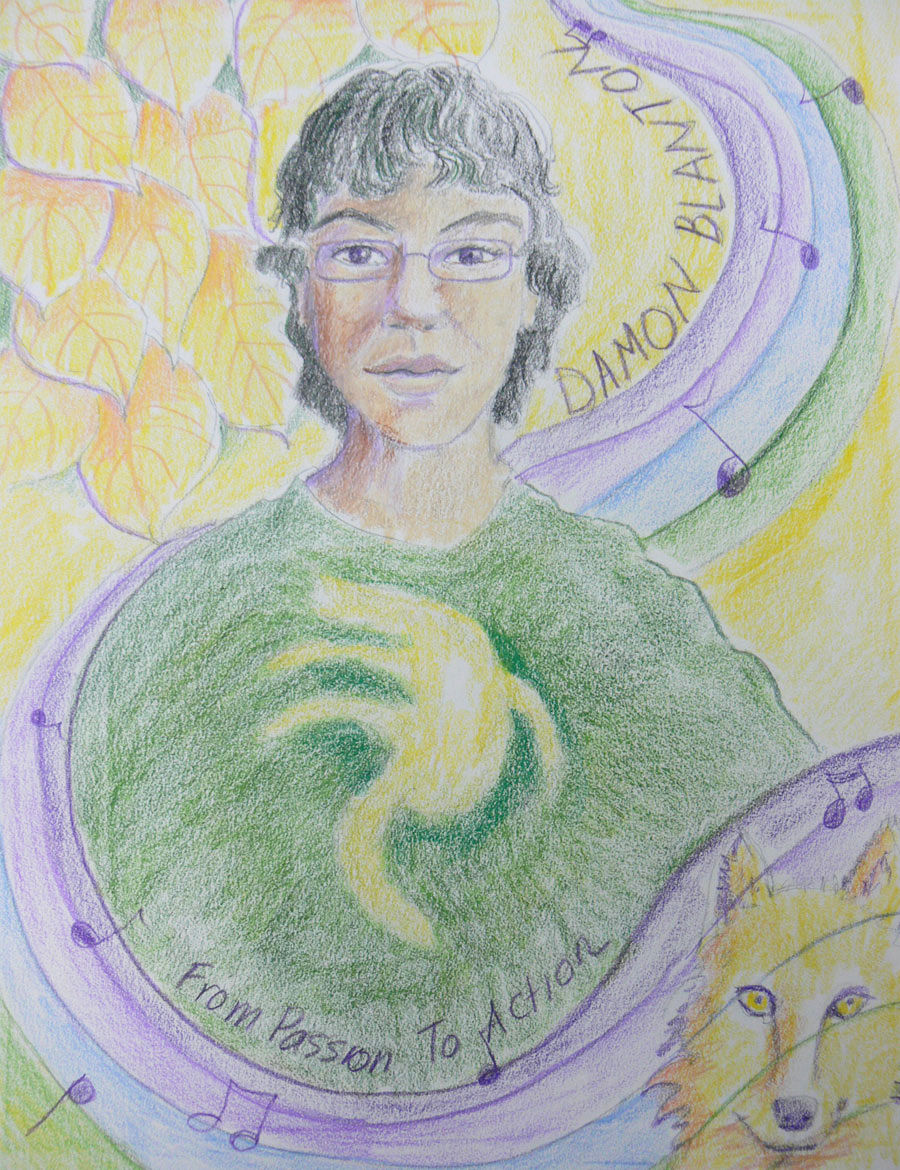
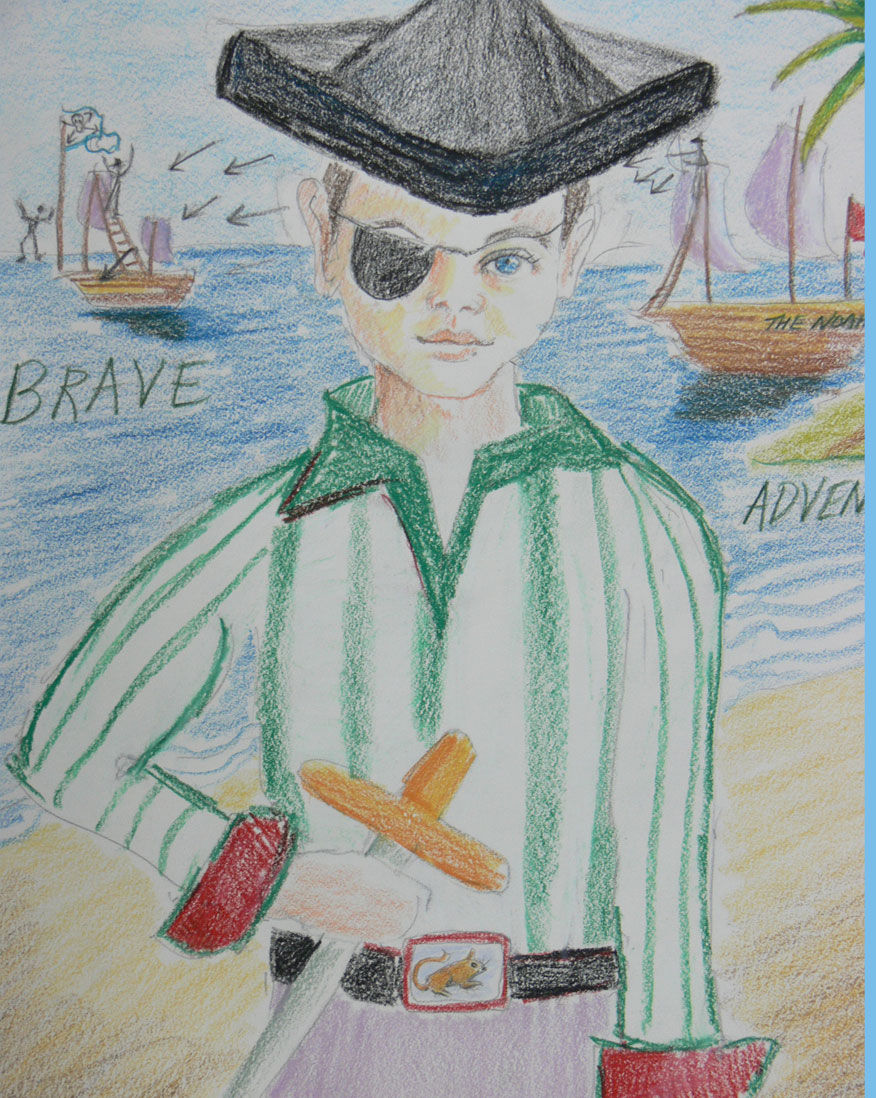
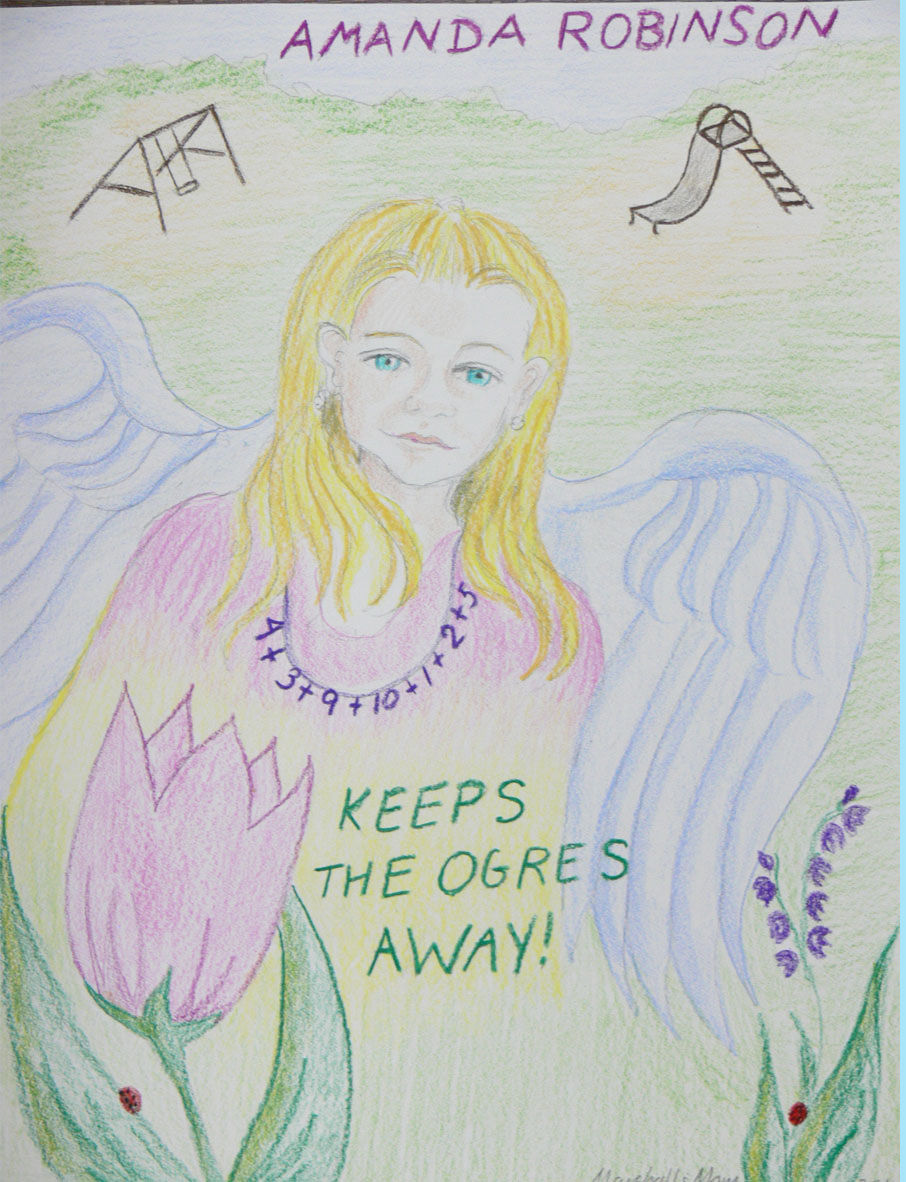
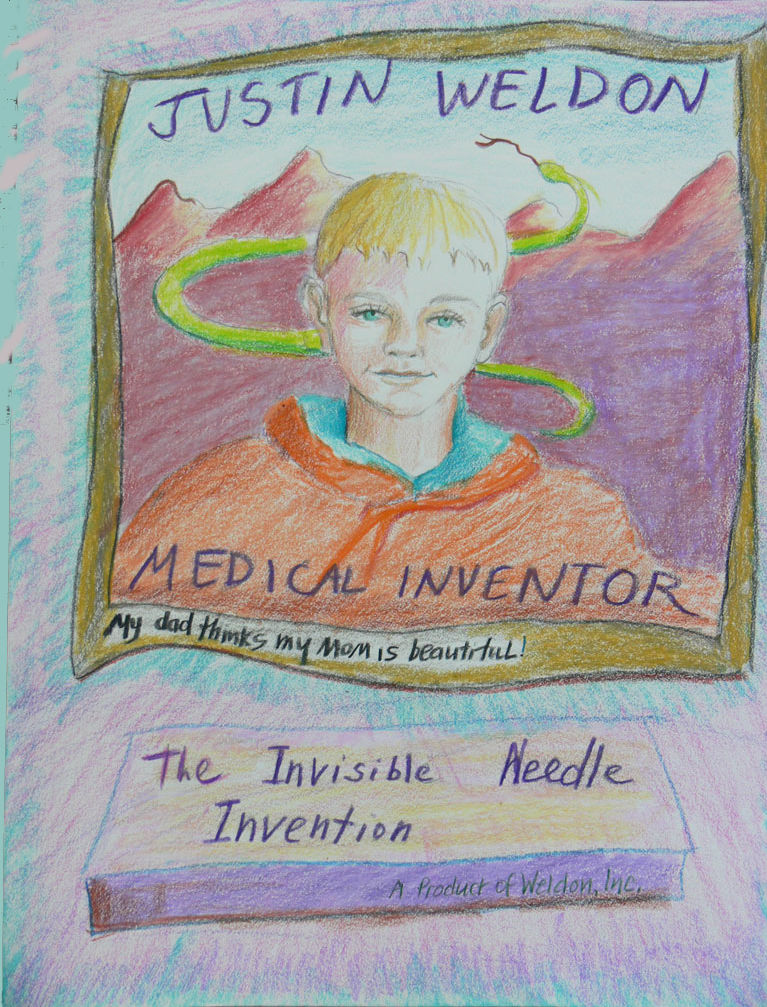
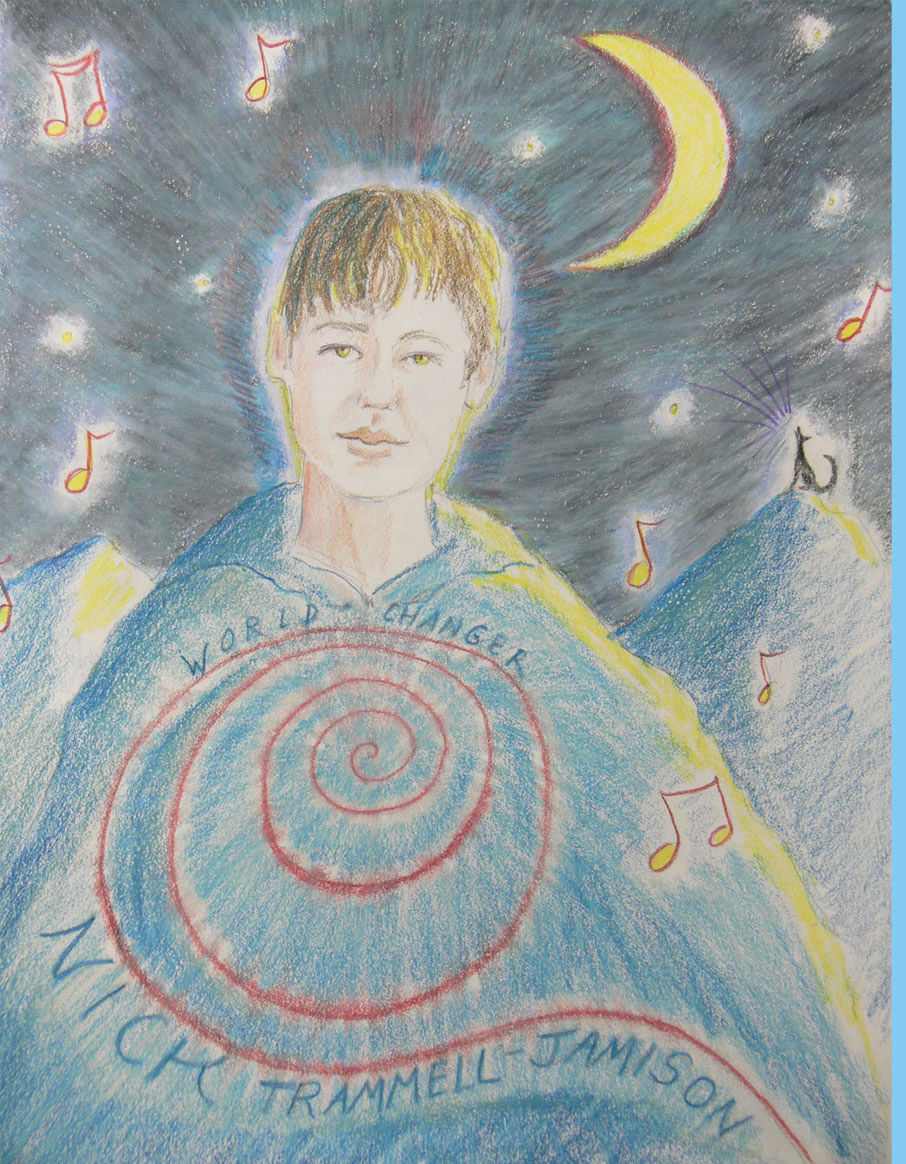
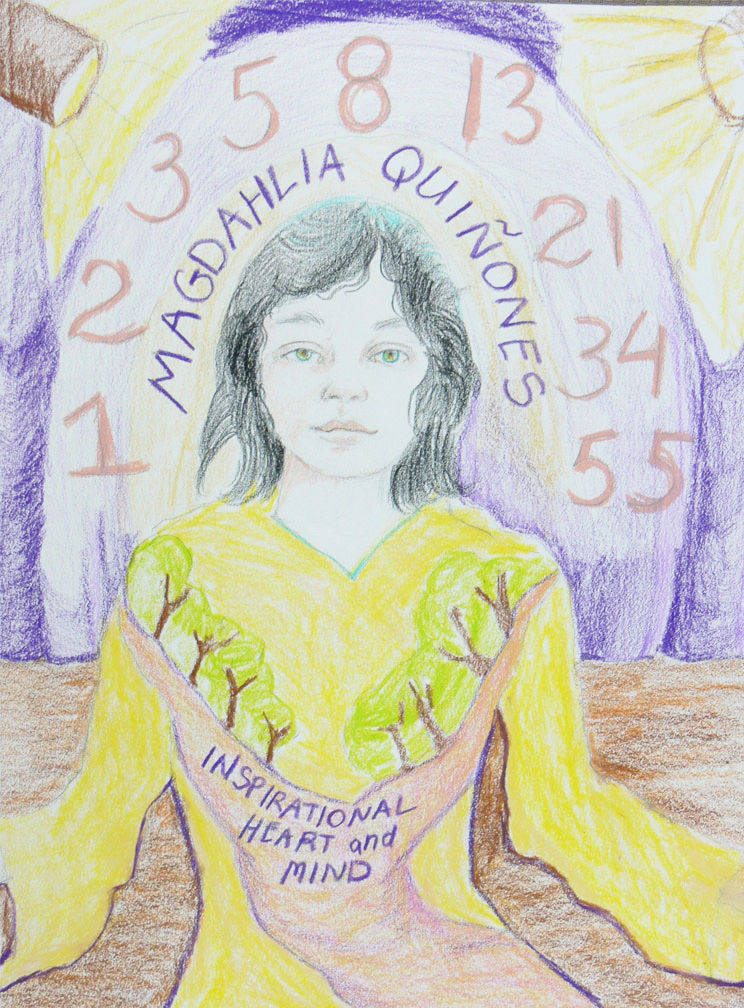
I was thrilled to be sent to Colorado by the Afterschool University to “seek the spark” in 24 of their students.  My exploration, captured in colored pencil drawings, uncovered the passions and affinities of the children.  Afterschool University is using the knowledge that emerged from the creative process to craft an exciting village for their students.  They will be celebrating the success of the young people on March 5, inviting professionals in the area of the children’s sparks to celebrate learning and skills and following your path with heart.  Here are a number of the drawings I made:


I’d like to focus on a crucial step in beating the odds – Consulting Nature. In my book, I outline four aspects of Nature that can be used when faced with challenges: having clear goals, fostering diversity in achievement of those goals, operating in systems and thriving on competition that is deeply rooted in cooperation. The sculpture below is the essence of diversity in achieving a goal and giving competition the umbrella of cooperation.

“We Are 1 Tribe” was made by my students at the Arts & Ethics Academy in Santa Rosa, CA. The sculpture was inspired by the Owerri Igobo mbari shrines of Nigeria, where each figure represents a loved one who is gone, a yet-to-be born child or the child of imagination. The young people who made this work of art live in the reality of rival gangs.  I chose the red and blue colors on the background to symbolize two gangs, the newly arrived southern Mexican Sureños (blue) and the more established northern Mexican Norteños (red), unified into one shrine. (In Pittsburgh, PA, the Crips wear blue and the Bloods wear red.) The figure in the exact middle without hair honors 16 year-old Alex, a Sureño member who was killed in a gang-related shooting. The student who made him wrote: “I hope that Alex will live on when people see my sculpture and hear his story.” The tallest figure on the right symbolizes the future son of one of the students, with the colors of the Norteños on his hat. The young Native American man who made him wrote “I hope that my son, Anthony, will live life without having to worry about the next day and the next month’s rent. I hope that he finds work that he loves doing and gets paid well. My son means a lot to me. He is a piece of me to live on when I leave this world.” This collection of loved ones, animals, mermaids and firebirds are a powerful visual reminder that Nature’s diversity forms ecosystems where the needs of all living beings are met, even though there is also competition. (Visit my Facebook page to see more details and hear about what each sculpture represents to the students.)


I would like to ramp up the conversation about how people are cooperating.  Competition is the main drama we hear about and I want to make Nature’s story of cooperative diversity among humans front and center. Do you have stories to share about wildly successful cooperation by diverse elements? Please share them here, knowing they will be passed along to young people. Our life depends on the process of cooperation with every breath we take, where the oxygen molecule that was outside our body becomes a part of our body.  When you share your story, you will be helping to combat the negativism so prevalent among the young people I work with. Your story will also help us adults who are despairing under the weight of the odds we’re up against.

bottom of page